Community Services
We focus on prevention, education, and building protective environments for children, youth, and caregivers in under-resourced communities.
 Community Building & Outreach:
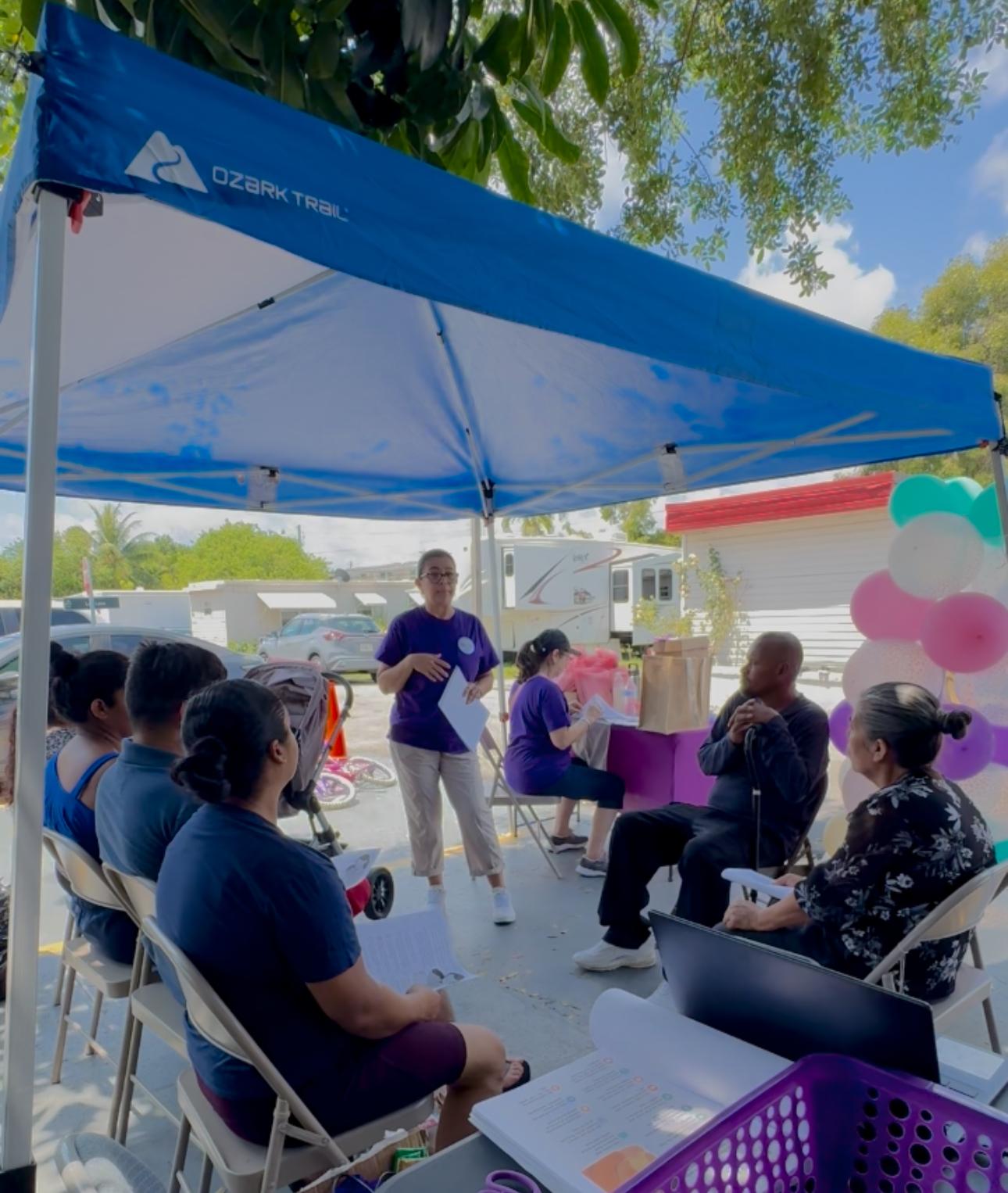
We organize wellness fairs, public events, and local engagement activities that promote emotional well-being and family safety, distribute Emergency Contact Cards that help families plan for crisis situations.
Educational Workshops:
We offer interactive, bilingual workshops for children, youth, parents and caregivers that focus on practical, age-appropriate strategies for safety, awareness, and digital well-being:
Violence and Abuse Prevention for Children
This workshop uses tools like our Parent Toolkit to teach families how to:
Recognize unsafe situations and establish body boundaries (e.g., the “Swimsuit Rule”)
Talk about feelings and emotional safety
Build family safety plans and reinforce trusted adult connections
Strengthen communication and prevent abuse through daily habits and safe practices
Healthy Screen Use for Children and Adults
This workshop helps families:
Set screen time limits and create screen-free spaces
Understand the risks of overexposure, including cyberbullying and harmful content
Improve online safety awareness (privacy, stranger contact, digital discipline)
Reconnect through screen-free activities and role-modeling positive digital habits
Our screen safety workshops help prevent online exploitation and strengthen healthy parent-child interaction in a digital world.
These community events also serve as access points for survivors and families who are not yet connected to traditional services.
Leadership Development:
We offer youth-focused leadership training through our SAFE Intervention Program, a structured, evidence-informed curriculum designed for adolescents ages 13 to 17 who have experienced or are at risk of violence, exploitation, or abuse. The program runs over 12 weekly sessions, providing a safe and supportive space for youth to grow emotionally, socially, and personally.
The SAFE Program helps participants:
Understand and prevent violence, exploitation, and interpersonal abuse
Build emotional regulation, self-esteem, and conflict resolution skills
Develop empathy, accountability, and personal responsibility
Strengthen protective factors and resilience for long-term success